
Insights
October 29, 2023 · 6 min read · Automotive / Electronics / Materials
In the world of modern automobiles, precision, performance, and safety are non-negotiables. Every journey you take, from a quick grocery store run to a cross-country road trip, hinges on the reliability of countless components working harmoniously beneath the surface. But have you ever wondered how these intricate parts come to life, ensuring your vehicle runs smoothly and safely? Enter percussion welding, a remarkable welding technique that plays a pivotal role in the creation of some of the most critical components in your car, from sensors that sense your surroundings to batteries that power your journey and headlights that light your way.
Percussion Welding in Automotive Manufacturing
Before we plunge into the fascinating world of specific automotive components, let's take a moment to understand the magic behind it all: percussion welding. Imagine a welding process that uses not just heat but also high-energy mechanical impacts to forge an unbreakable bond between two pieces of metal. That's precisely what percussion welding does. In the automotive industry, where strength, reliability, and precision are paramount, percussion welding stands tall as the go-to method for creating critical components.
Sensors: The Nervous System of Vehicles
When you slide behind the wheel, you become the conductor of a symphony of technology, and at the heart of this orchestra are sensors—your car's nervous system. These tiny yet mighty devices are scattered throughout your vehicle, sensing everything from the pressure in your tires to the moisture on your windshield. But how are they created with the precision required for such critical tasks? Percussion welding is the answer. It's the force behind the manufacturing of these sensors, ensuring they're built to withstand the rigors of the road. In the world of sensors, precision is king. A fraction of an inch can make the difference between a safe stop and a collision. Sensors must be able to withstand extreme temperatures, vibrations, and the test of time. Percussion welding, with its ability to create robust and durable welds, is instrumental in achieving this level of precision. The strength of these welds ensures that sensors remain in the perfect position to do their job accurately, keeping you safe on the road.
Powering Up: Batteries and Electrical Components
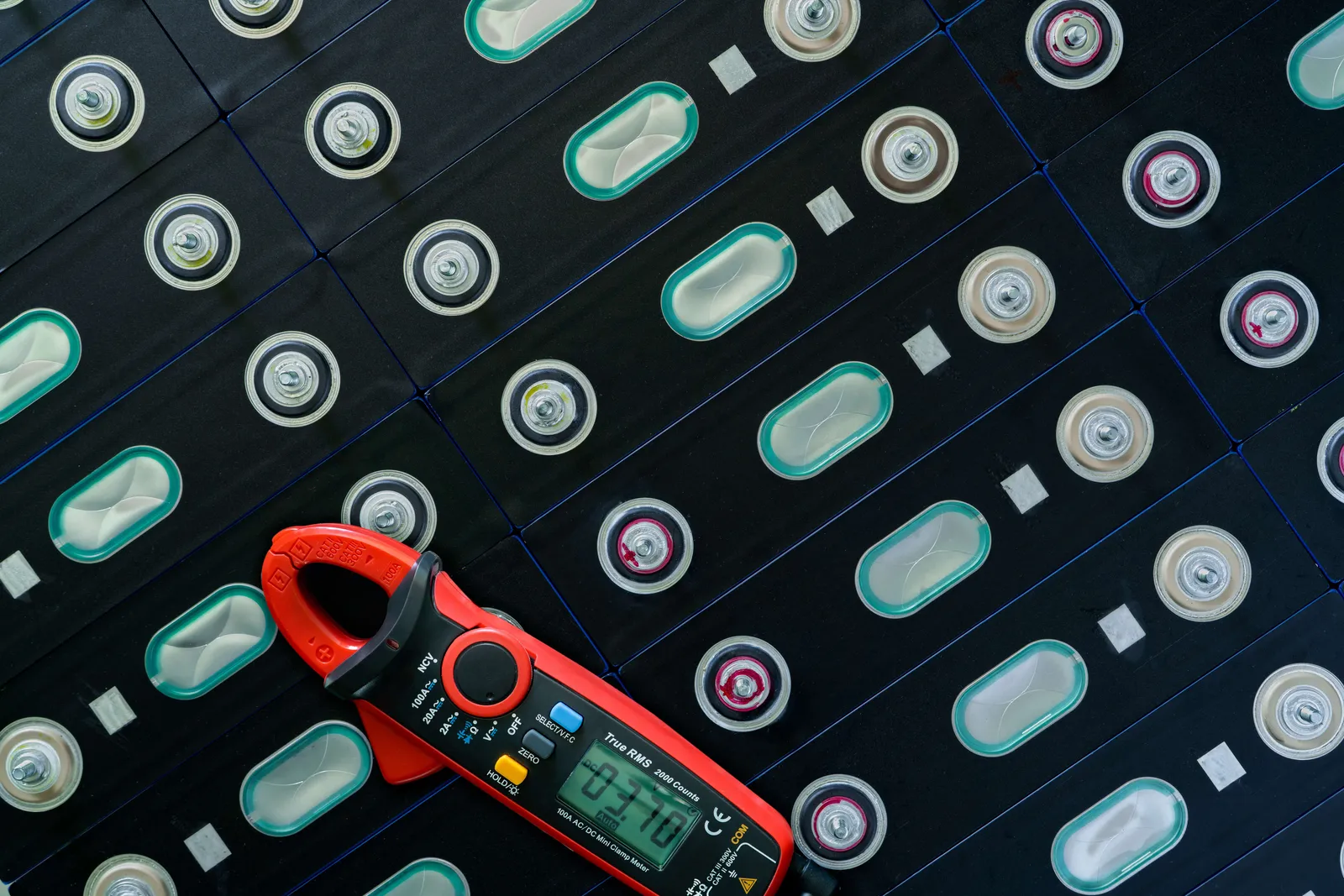
Now, let's shift our focus to another automotive powerhouse: batteries. Whether you're driving a conventional gasoline car or a cutting-edge electric vehicle, batteries are the beating heart of your vehicle's electrical system. The demands on these batteries are immense, from starting your engine to powering all your electronic gadgets. To meet these demands, automotive manufacturers turn to percussion welding. This process ensures that the intricate connections within your car's electrical components are not just robust but also reliable. The battery in your vehicle has an essential job—providing a reliable source of power to start your engine and run all the electrical systems. Whether you're cruising on the highway or stuck in city traffic, your battery is hard at work. In electric vehicles, the demands are even more significant, as the battery pack is essentially the car's fuel tank. The connections within the battery and its associated components must be rock-solid, and percussion welding ensures that. It creates welds that can withstand the electrical currents and vibrations, ensuring your vehicle starts reliably every time.
Lighting the Way: Headlights and Light Bulbs
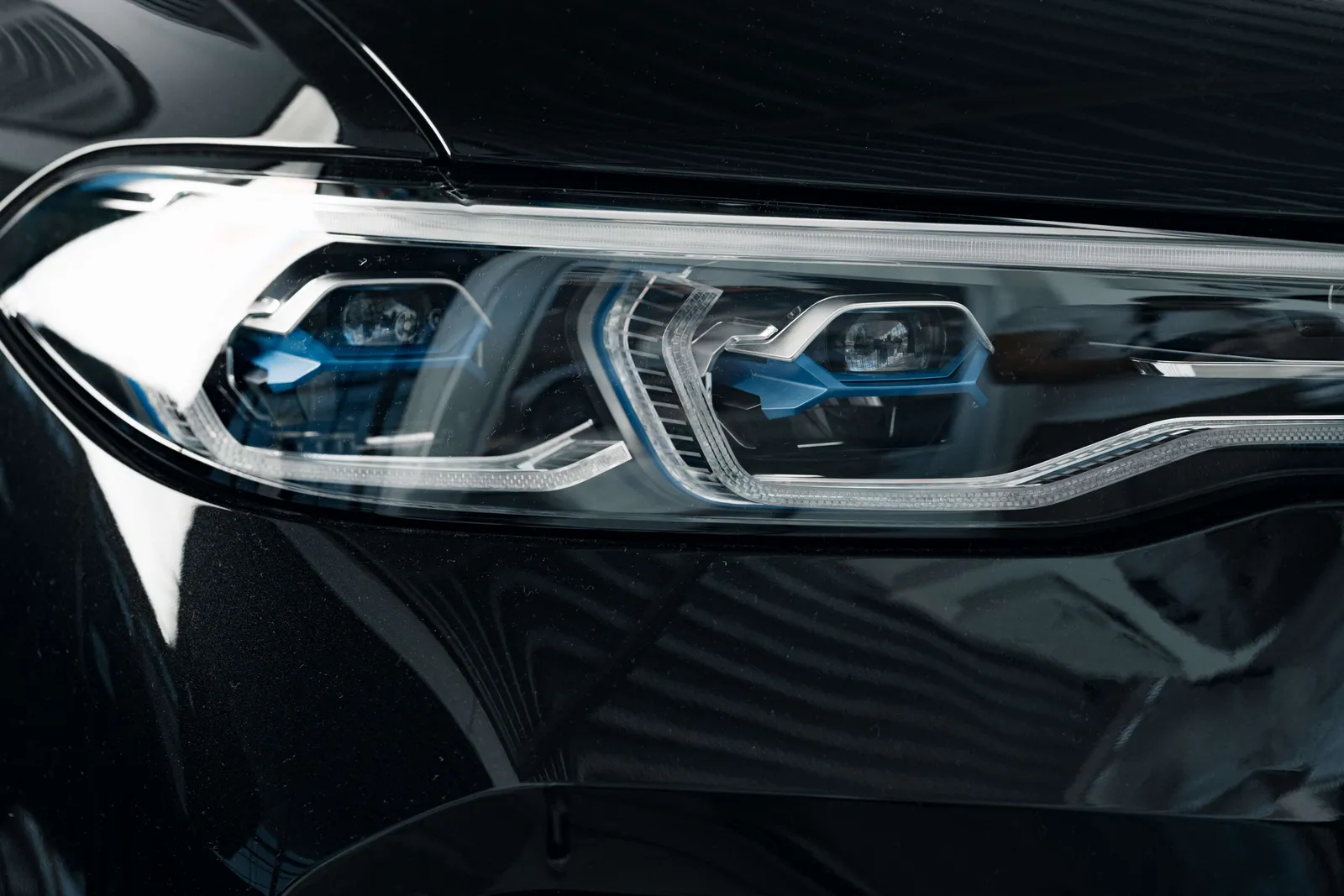
When the sun dips below the horizon, and darkness descends, your vehicle's headlights become your guiding stars. They illuminate the path ahead, ensuring you reach your destination safely. But have you ever considered the precision required to manufacture these essential components? Percussion welding is the behind-the-scenes hero that guarantees the reliability of your headlights and light bulbs. It's the secret sauce that ensures they function flawlessly when you need them most. Your headlights are not just a convenience; they're a vital safety feature. They help you see the road ahead and make your vehicle visible to others. Whether you're driving through a dense fog or a pitch-black night, you rely on your headlights to light your way. That's why precision in their manufacturing is crucial. Even a slight misalignment can lead to decreased visibility, compromising safety. Percussion welding ensures that the connections within your headlights are solid and reliable. These welds can endure the vibrations and harsh conditions of the road, ensuring your headlights never let you down. As we've explored in this journey from sensors to batteries to headlights, percussion welding is the unsung hero of the automotive industry. It's the force behind the scenes that ensures your vehicle's critical components are not just reliable but also safe. The next time you drive your car, remember that it's not just about the engine or the tires; it's about the intricate dance of technology made possible by percussion welding. Your safety and driving experience owe a debt of gratitude to this remarkable welding technique. Imagine your vehicle navigating the road with precision, thanks to sensors created with percussion welding. Or picture your electric car confidently powering through miles, all powered by batteries with welds that never falter. These scenarios aren't just hypothetical; they are real-world achievements made possible by percussion welding in automotive manufacturing. Let's delve into some compelling case studies and success stories that showcase the power of this technology.
Advantages of Percussion Welding in Automotive Components
Why choose percussion welding for your automotive components? It's a question worth exploring. In this section, we'll highlight the advantages of relying on percussion welding for critical parts. From unwavering reliability to surgical precision, discover how this welding technique sets the gold standard for manufacturing components that power, protect, and illuminate your vehicle. Percussion welding, a technique that harnesses heat and mechanical force to fuse metal, stands as a stalwart in the world of automotive manufacturing. When it comes to crafting the essential components that make your vehicle more than just a machine, percussion welding emerges as the go-to choice for numerous reasons.
1. Unwavering Reliability:
At the heart of every automotive component is the need for unwavering reliability. Whether it's a sensor monitoring your engine's performance, a battery fueling your electric car, or a headlight guiding your way, these components must perform flawlessly day in and day out. Percussion welding delivers on this front with weld joints that are incredibly robust and resistant to wear and tear. It ensures that your vehicle's critical systems operate without a hitch, enhancing overall reliability.
2. Surgical Precision:
The modern automotive landscape is teeming with intricate, small-scale components. From tiny sensors that monitor environmental conditions to delicate connectors ensuring seamless electrical connections, precision is paramount. Percussion welding offers surgical precision, allowing for the creation of intricate welds in even the tiniest of parts. This precision minimizes the risk of defects, ensuring that these critical systems function optimally and reducing the chances of costly breakdowns.
3. Efficiency and Speed:
In the fast-paced world of automotive manufacturing, efficiency and speed are vital. Percussion welding stands out as a fast and efficient process that aligns perfectly with the high-volume production demands of the automotive industry. It allows for rapid welding of numerous components, streamlining the manufacturing process and accelerating production timelines.
4. Cost-Effectiveness:
While quality and reliability are paramount, cost-effectiveness is always a consideration in automotive manufacturing. Percussion welding shines in this regard by reducing production costs. The absence of filler materials, coupled with the efficiency of the process, translates into savings that can benefit both manufacturers and consumers. Reduced production costs can also lead to more affordable vehicles for consumers.
5. Integration with Automated Systems:
In today's automotive industry, automation is the name of the game. Automotive assembly lines are increasingly automated to enhance efficiency and precision. Percussion welding seamlessly integrates with automated systems, making it an ideal choice for high-volume manufacturing. This compatibility ensures that the welding process can keep pace with the demands of modern automotive production. In summary, percussion welding offers a compelling set of advantages that make it the preferred choice for crafting automotive components. Its unwavering reliability, surgical precision, efficiency, cost-effectiveness, and compatibility with automation make it an indispensable tool in creating components that power, protect, and illuminate your vehicle. When you're on the road, the trust you place in your vehicle's critical systems is, in part, a testament to the excellence of percussion welding in automotive manufacturing.
Part of: Automotive & Sensors
More on automotive & sensors
Automotive Industry Hub →FAQ
What is percussion welding?
A heat-plus-impact process for joining metals.
An electric arc supplies the heat, then a rapid mechanical movement forces the two materials together, forming a full metallic bond with no filler.
Do I need filler metal, solder or flux?
No. There's no filler, solder or flux, and no electrodes to wear out.
That means cleaner joints, less waste, and no consumables to buy.
How do I know if my materials can be welded?
Start with the Parameter Finder or the weld schedules table.
If your pair isn't listed, tell us your weld challenge. We'll reply with a straight answer about whether percussion welding is a fit, and how.
Still have a question? Tell us your weld challenge and an engineer will reply.
Start here
Share what you're joining and what's going wrong. We'll tell you straight whether percussion welding is a fit.
Prefer to talk? Book a demo or call 303-536-7838