
Insights
October 29, 2023 · 2 min read · Automotive
When it comes to the automotive industry, precision is not just a virtue; it's a necessity. The intricate web of components, sensors, and electronics that power modern vehicles demands nothing less than perfection in manufacturing. This is where high precision welding in automotive micro welding steps in as the unsung hero of automotive assembly.
Small Sensors, Big Impact
Small sensors are at the heart of your vehicle's performance. They monitor everything from engine temperature to tire pressure, ensuring optimal operation. In the world of micro welding, precision is paramount. These sensors are often tiny, delicate components requiring exacting tolerances. High precision welding ensures that these sensors are seamlessly integrated, making them reliable, durable, and accurate. But precision in micro welding goes beyond just size. It's about controlling the heat, managing distortion, and ensuring the sensor's longevity. Welding with precision means these critical components can perform their vital functions without fail, contributing to automotive safety and efficiency.
Electronics That Drive the Future
Today's vehicles are more connected and reliant on electronics than ever before. From advanced infotainment systems to autonomous driving features, electronics have become the backbone of automotive innovation. But to make these innovations a reality, precision welding is indispensable. Precision welding ensures that the intricate circuits and components within these electronic systems are flawlessly integrated. It minimizes the risk of electrical failures, which can have serious consequences on the road. With the demand for electric vehicles rising, precision welding plays a pivotal role in creating the batteries and power systems that drive the future of automotive technology.
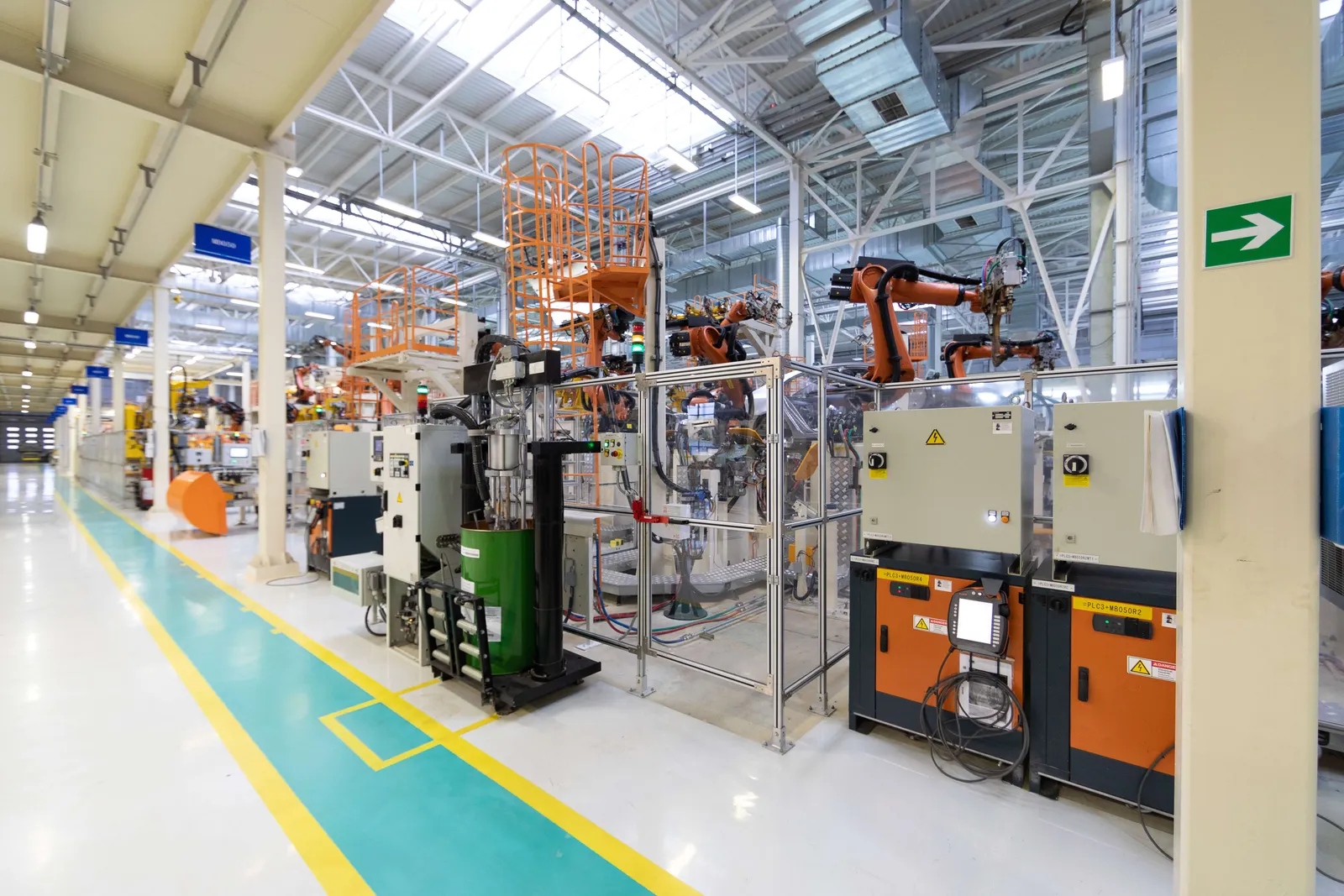
The Quest for Zero Defects
In the automotive industry, defects are not an option. Even the tiniest flaw in a sensor or electronic component can compromise vehicle safety and reliability. High precision welding techniques are designed to achieve zero defects. By meticulously controlling the welding process, manufacturers can guarantee the highest quality components. Moreover, precision welding reduces the need for extensive quality control and rework. This means faster production times and cost savings, ultimately benefiting both manufacturers and consumers.
The Future of High Precision Welding
As the automotive industry continues to evolve, the need for high-precision welding will only intensify. From the race to create lighter, more fuel-efficient vehicles to developing cutting-edge electric and autonomous cars, micro-welding will remain a critical technology. In the coming years, we can expect to see innovations in high-precision welding techniques, enabling even smaller and more complex components. This technology will underpin the vehicles of tomorrow, making them safer, more reliable, and more advanced than ever before. In conclusion, high-precision welding in automotive microwelding is not just a technical detail; it's the linchpin of automotive progress. It ensures that the sensors and electronics that define modern vehicles are of the highest quality and reliability. As automotive technology continues to advance, the significance of precision welding will only grow, shaping the industry's future.
Part of: Automotive & Sensors
More on automotive & sensors
Automotive Industry Hub →FAQ
What is percussion welding?
A heat-plus-impact process for joining metals.
An electric arc supplies the heat, then a rapid mechanical movement forces the two materials together, forming a full metallic bond with no filler.
Do I need filler metal, solder or flux?
No. There's no filler, solder or flux, and no electrodes to wear out.
That means cleaner joints, less waste, and no consumables to buy.
How do I know if my materials can be welded?
Start with the Parameter Finder or the weld schedules table.
If your pair isn't listed, tell us your weld challenge. We'll reply with a straight answer about whether percussion welding is a fit, and how.
Still have a question? Tell us your weld challenge and an engineer will reply.
Start here
Share what you're joining and what's going wrong. We'll tell you straight whether percussion welding is a fit.
Prefer to talk? Book a demo or call 303-536-7838